
A Learning Curve Ball
The stage where your ambition races ahead of your ability, and why the awkwardness is worth staying with.
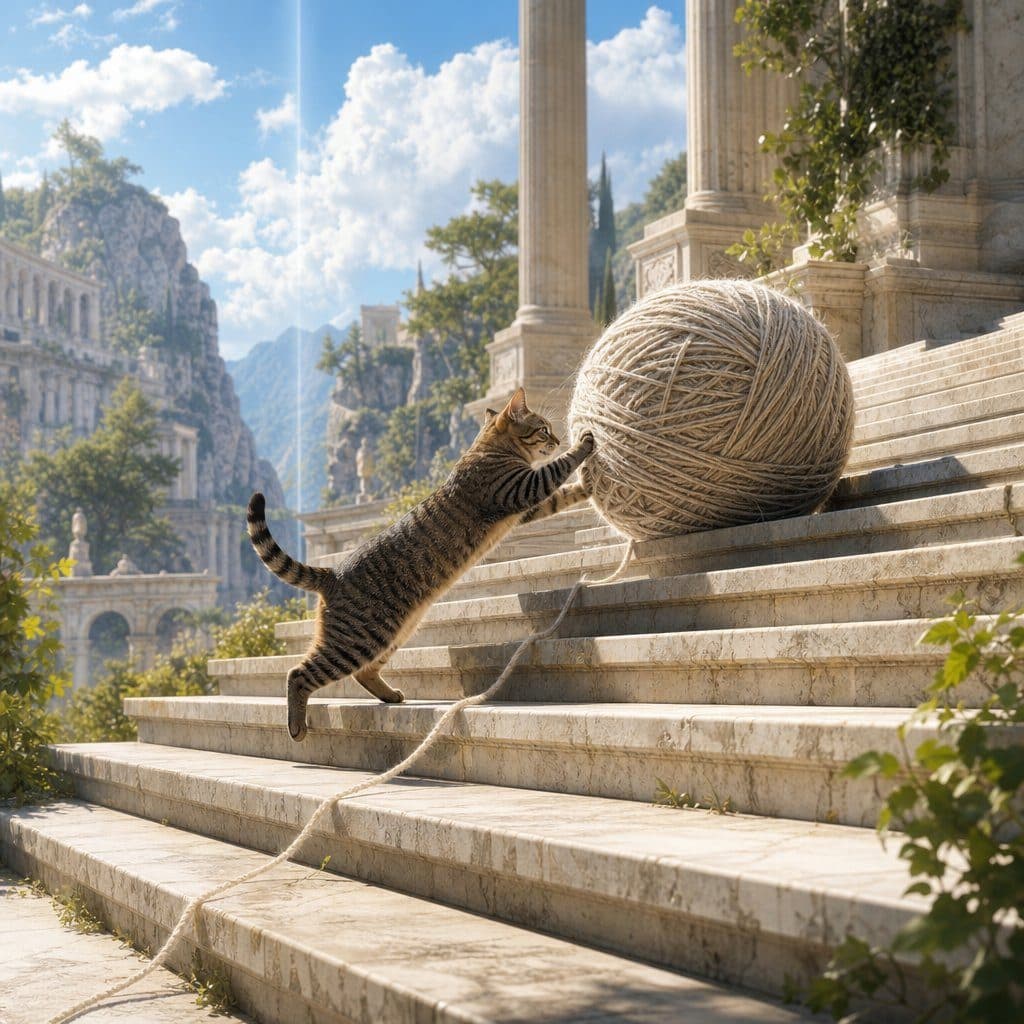
I love learning new things. I hate feeling stupid. Both are true, which makes one of the driving forces in my life occasionally rather inconvenient. I want to understand. I want to try. I want to find out what happens when I do something I have not done before. Preferably while looking reasonably competent, which is an ambitious requirement for a beginner.
This year, my learning curve has been steep. Along the way, I have learnt things about myself that were never on the agenda. How I react when I do not understand. How much I dislike needing something explained again. How useful it is when I can stop taking myself quite so seriously. Being able to laugh at myself makes it easier to stay with the thing I am trying to learn.
"Curiosity killed the cat"
This week, a former colleague, a young and talented music teacher, shared a post that stayed with me. He wrote about loving the process of learning a new piece of music, composing or taking up another instrument. His reel brought together clips of playing, singing and performing, in different settings and with people young and old. What spoke to me was his affection for the process itself. I recognized the curiosity. I am still negotiating with the discomfort. There is a stage in learning when your ambition is well ahead of your ability. You know what you want to do, but cannot quite do it yet. You can hear the music. Getting it out through your fingers, your voice or an unfamiliar instrument is another matter. Watching his reel reminded me that there can be pleasure in working towards something, even before you are pleased with the result.
Still Curious. Still Game.
One of the things I find most endearing about my parents is that they remain curious. This weekend, I showed them how they could use WhatsApp to call me when I am halfway across the world. There was anxiety. There was tech stress. But they let me show them, kept their cool and stayed with it. They made me proud. They were willing to learn something unfamiliar because it could help us stay in touch. And while I knew which buttons to press, they were working through something new. Familiarity can make us forget how much there is to take in. My parents gave me a reminder: curiosity does not have to arrive without anxiety. Sometimes they come together, and we learn anyway.
That bridge again
I meet a lot of librarians through my work, and I am often amazed by their willingness to take new technology for a spin. With so many of them, curiosity seems to be in their DNA. They also ask the best questions. Will it serve the patrons? Will it actually save time once we have learnt how to use it? How much pain before it starts to pay off? There is anxiety in those questions, but also professional care. They want to understand what a change will ask of them and what it will give the people they serve. I truly appreciate being a bridge between them and the developers. A question from the library can reveal something we have not understood about the work. Helping that understanding travel in both directions is one of the parts of my job I value most. And here, too, I feel pride. When librarians are willing to push through the awkward beginnings and bear with us as things improve. Their patience deserves a response: listening carefully, taking their questions seriously and making the next attempt better. We are learning, too.
Living in the know
Learning to read asks for its own kind of patience. The journey is different for everyone. What one reader takes in quickly may require much more work from another. And the effort is happening in a world where other people can often already do the thing you are struggling with. I know how much I dislike feeling stupid. That should make me more attentive to anyone being asked to practise a skill in front of others. Children learning to read. A student working through an unfamiliar text. An adult asking for help with something they feel they ought to know.
We can make it easier for people to ask again, take their time and keep trying. We can also make uncertainty feel so embarrassing that they would rather stop. How do we respond when someone does not understand? What does our impatience teach them? Have we made room for the struggle, as well as celebrating the progress?
Just one more page
Learning to read opens the way to reading to learn. A skill we have worked at gives us access to more: an explanation, an idea, a question we had not thought to ask.And then there is reading for the sheer pleasure of it. The chance to experience more than our own life. To spend time inside someone else’s way of seeing, encounter something unfamiliar and carry a little of it back into our own world. A book can stay with us long after the last page. In a conversation, in something we notice, in a judgement we pause to reconsider. The rings on the water keep spreading.
That is part of what drives me to keep learning, even when I dislike the awkwardness of it.
I cannot know in advance everything a new skill, a book or a conversation will give me. There is a great deal still to discover. I would hate to miss it because I was afraid of looking stupid.
Filed under
- Field Notes
- learning
- curiosity
- parents
- technology
- libraries
- reading

Librarian
A librarian who wrote her dissertation on integrated library systems, and now helps build one. She is making sure the shift to AI is threaded with care, so it works for librarians and the communities they serve, not in place of them.